✦ Infrared Asphalt Repair
Repair Existing Asphalt With Controlled Infrared Heat
PaveTech Solutions provides infrared asphalt repair for potholes, depressions, seams, and localized pavement failures throughout Wisconsin when pavement conditions support this repair method. We assess the damaged area, surrounding asphalt, depth of deterioration, drainage, and underlying conditions before determining whether infrared repair is appropriate.
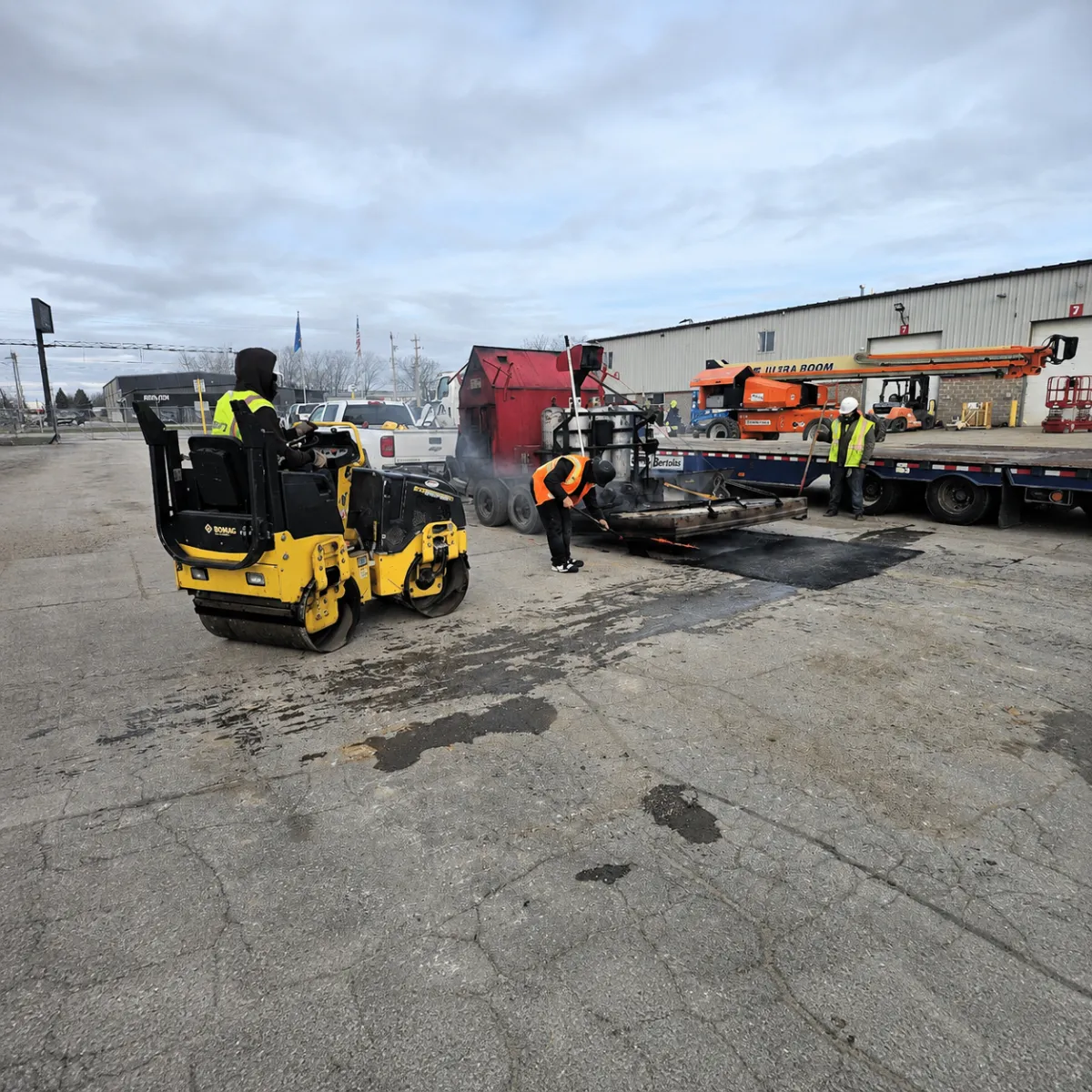
How Infrared Asphalt Repair Works
Infrared repair uses controlled heat to soften suitable existing asphalt so the damaged area can be loosened, reworked, supplemented with fresh asphalt when needed, and recompacted. Because the repair area is heated together with the surrounding pavement, it creates a seamless repair.
✦ Infrared Asphalt Repair Applications
Localized Failures That May Be Suitable for Infrared Repair
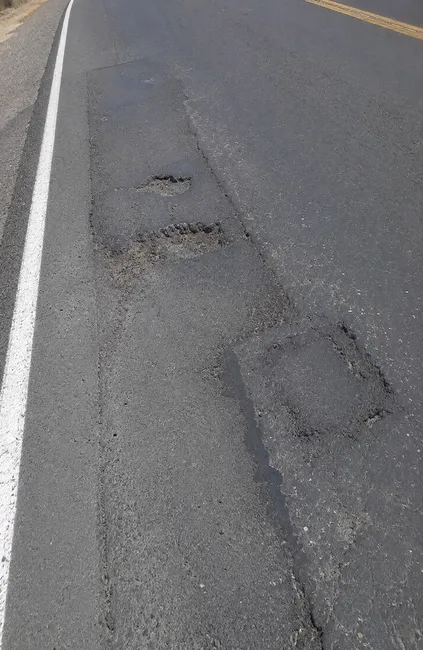
Infrared repair is best suited for localized surface failures where the surrounding pavement and underlying support remain in serviceable condition.
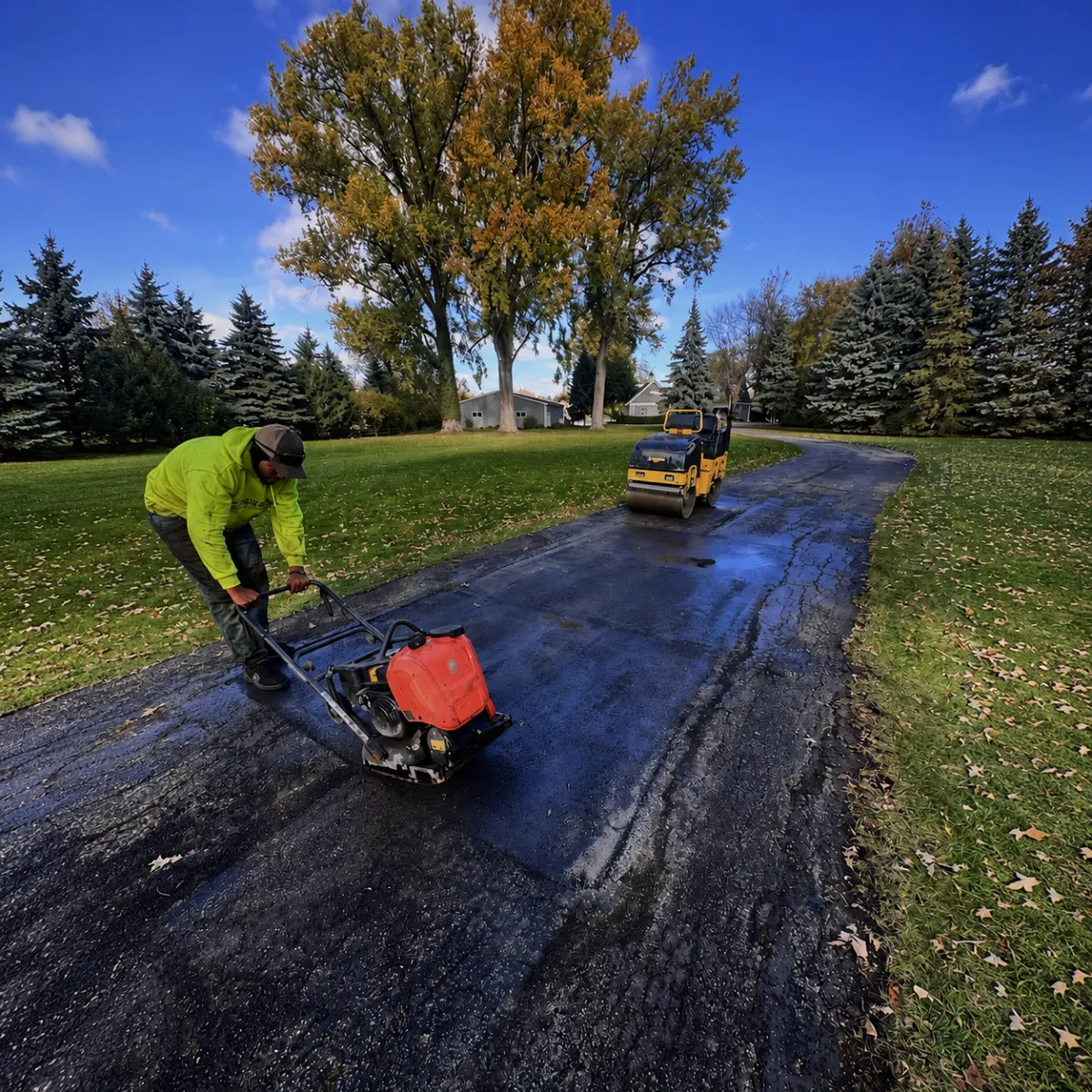
Potholes & Surface Failures
Suitable potholes and localized surface failures can be reheated and reworked when the surrounding asphalt and underlying base remain stable.
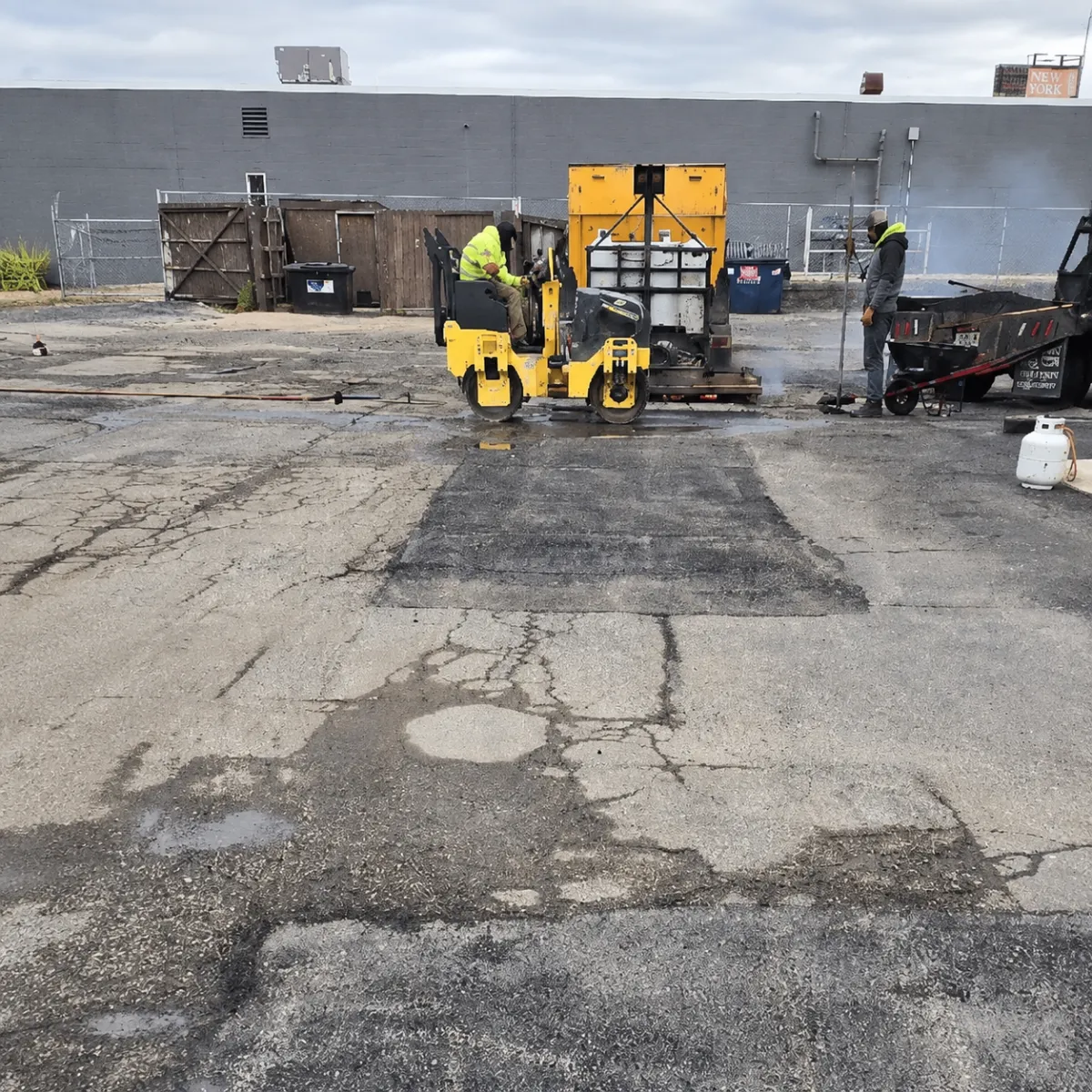
Depressions & Repair Edges
Certain low spots, depressions, seams, and repair edges can be reheated, reshaped, and recompacted to improve the surface.
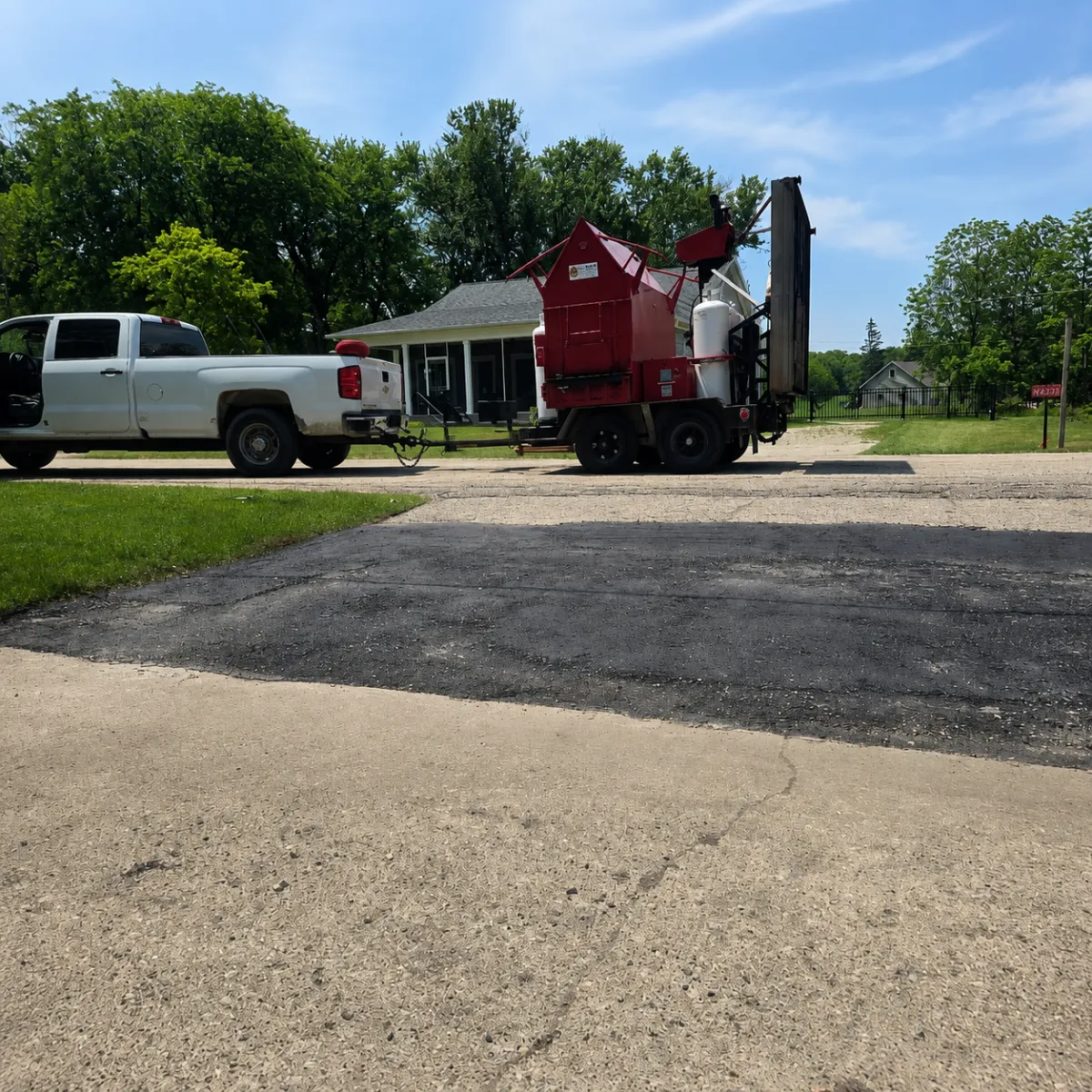
Previous Repairs & Added Asphalt
Some deteriorated patches can be reheated and reworked, with fresh asphalt added when needed to restore elevation, shape, or repair the affected area.
✦ When Infrared Repair Makes Sense
Signs Infrared Asphalt Repair May Be Appropriate
Infrared repair may be a good option when pavement damage is localized and the surrounding asphalt remains in serviceable condition.
Small to moderate potholes
Localized pavement depressions
Failed or deteriorated seams
Uneven repair edges
Surface-level asphalt failures
Deteriorated previous patches
Isolated pavement damage
Areas where a smoother repair transition is preferred
✦ Our Process
How Infrared Asphalt Repair Is Completed

Heat
We use controlled infrared heat to gradually soften the existing asphalt in and around the repair area.

Rework
The softened asphalt is loosened and reshaped so the damaged material can be incorporated into the repair.

Add Asphalt
Fresh asphalt is added when needed to restore surface elevation, replace lost asphalt, or improve the repair.

Compact
The repaired area is compacted to create a dense surface and a smooth transition with the surrounding pavement.
Frequently Asked Questions
What is infrared asphalt repair?
Infrared asphalt repair uses controlled heat to soften existing asphalt so localized damage can be reworked, supplemented with fresh material when needed, and recompacted.
What types of pavement damage can infrared repair address?
It may be suitable for certain potholes, depressions, seams, failed repair edges, and other localized surface-level asphalt damage.
Is infrared repair suitable for every pothole?
No. Deep failures, unstable base material, severe cracking, settlement, or drainage problems may require a deeper repair method.
Does infrared asphalt repair reuse the existing pavement?
Yes. Suitable existing asphalt is reheated and reworked as part of the repair, with fresh asphalt added when necessary.
How is infrared repair different from traditional asphalt patching?
Traditional patching often removes failed pavement before installing new asphalt. Infrared repair reheats and reworks suitable existing asphalt in place.
Can infrared repair fix base failure?
No. Infrared repair primarily addresses asphalt near the surface. Significant base or structural failure generally requires deeper repair.
When can traffic return to an infrared repair?
Reopening time depends on repair size, pavement temperature, weather, and site conditions. Traffic should remain off the area until the repaired asphalt has cooled sufficiently.
✦ Restore Asphalt Without Unnecessary Removal
Could Infrared Repair Work for Your Pavement?
Tell us where the damage is located and what you are seeing. Our team will evaluate the pavement and determine whether infrared repair, patching, or another asphalt repair method fits the condition.

Professional pavement maintenance, repair, preservation, sealcoating, crack sealing, mastic repair, infrared repair, and line striping throughout Wisconsin.
PaveTech Solutions, Inc.
Email: [email protected]
Phone: (920) 204-6975
1103 S Lynndale Dr Ste 104, Appleton, WI 54914

Quick links
Business hours
Monday–Friday: 7:00 AM–5:00 PM
Saturday–Sunday: Closed
© 2026 PaveTech Solutions, Inc. All rights reserved.