✦ Asphalt Crack Sealing
Protect Your Pavement by Sealing Cracks Early
PaveTech Solutions provides professional asphalt crack sealing for parking lots, roads, driveways, and paved areas throughout Wisconsin. We evaluate crack type, width, movement, pavement condition, and surrounding damage before determining whether crack sealing is appropriate for the pavement.
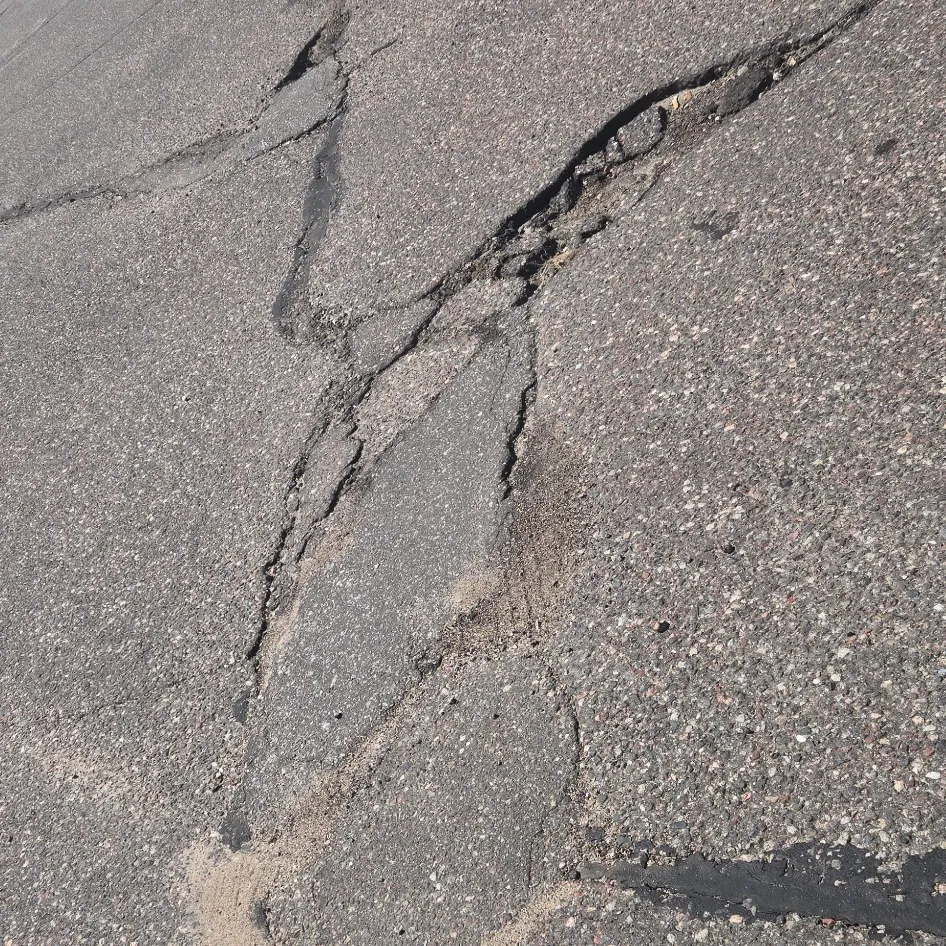
Why Asphalt Cracks Need Early Attention
Cracks allow water and debris into the pavement, contributing to further deterioration. Crack sealing uses flexible sealant to help prevent moisture intrusion and accommodate seasonal movement, while making future maintenance easier to plan for parking lots and other high-use pavement.
✦ Asphalt Crack Sealing Services
Seal the Cracks. Help Protect the Pavement.
Crack size, movement, and surrounding pavement determine whether sealing, mastic repair, patching, or another treatment is appropriate.
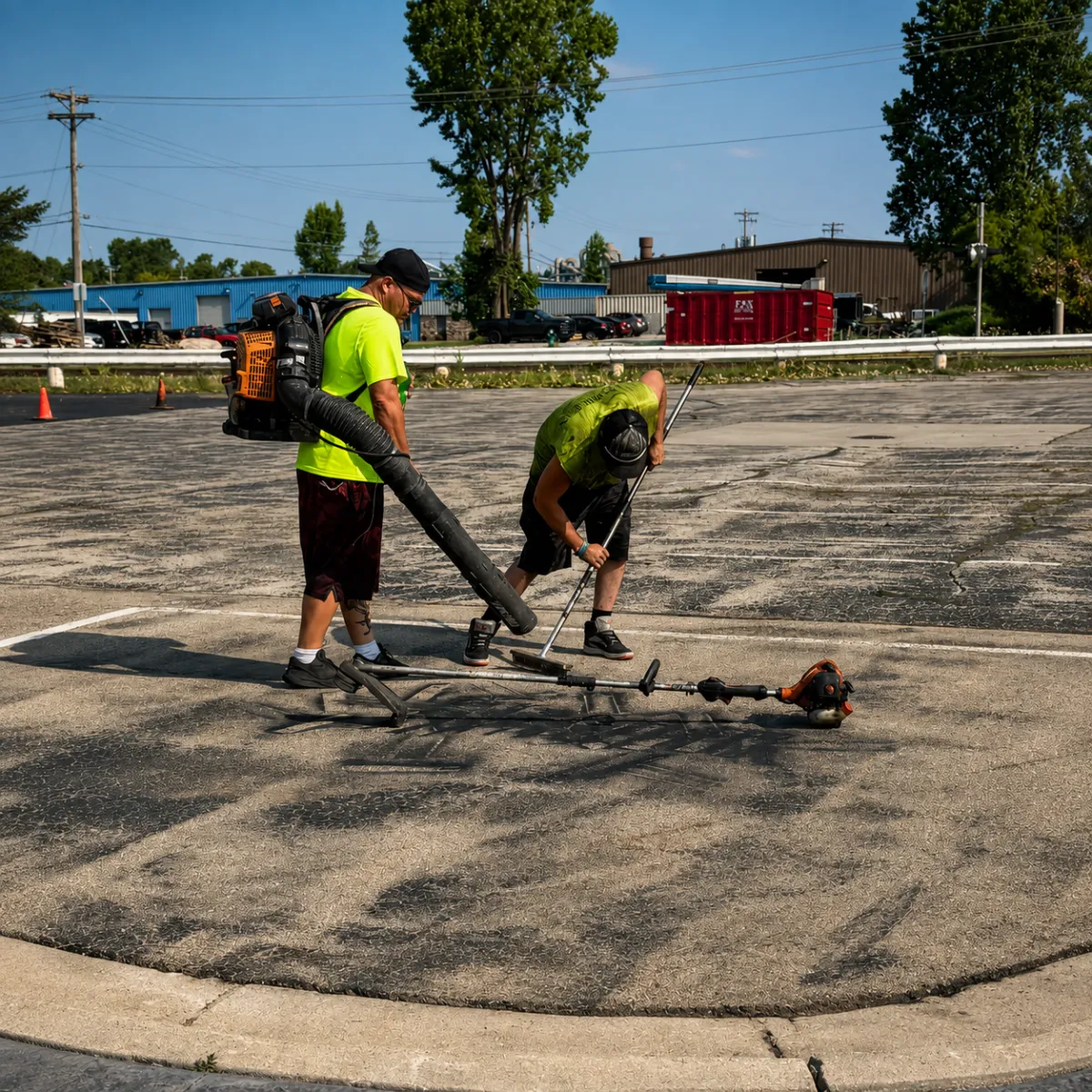
Crack Evaluation & Preparation
We inspect crack type, width, movement, surrounding pavement, and overall condition, then clean and prepare suitable cracks for proper sealant bonding.
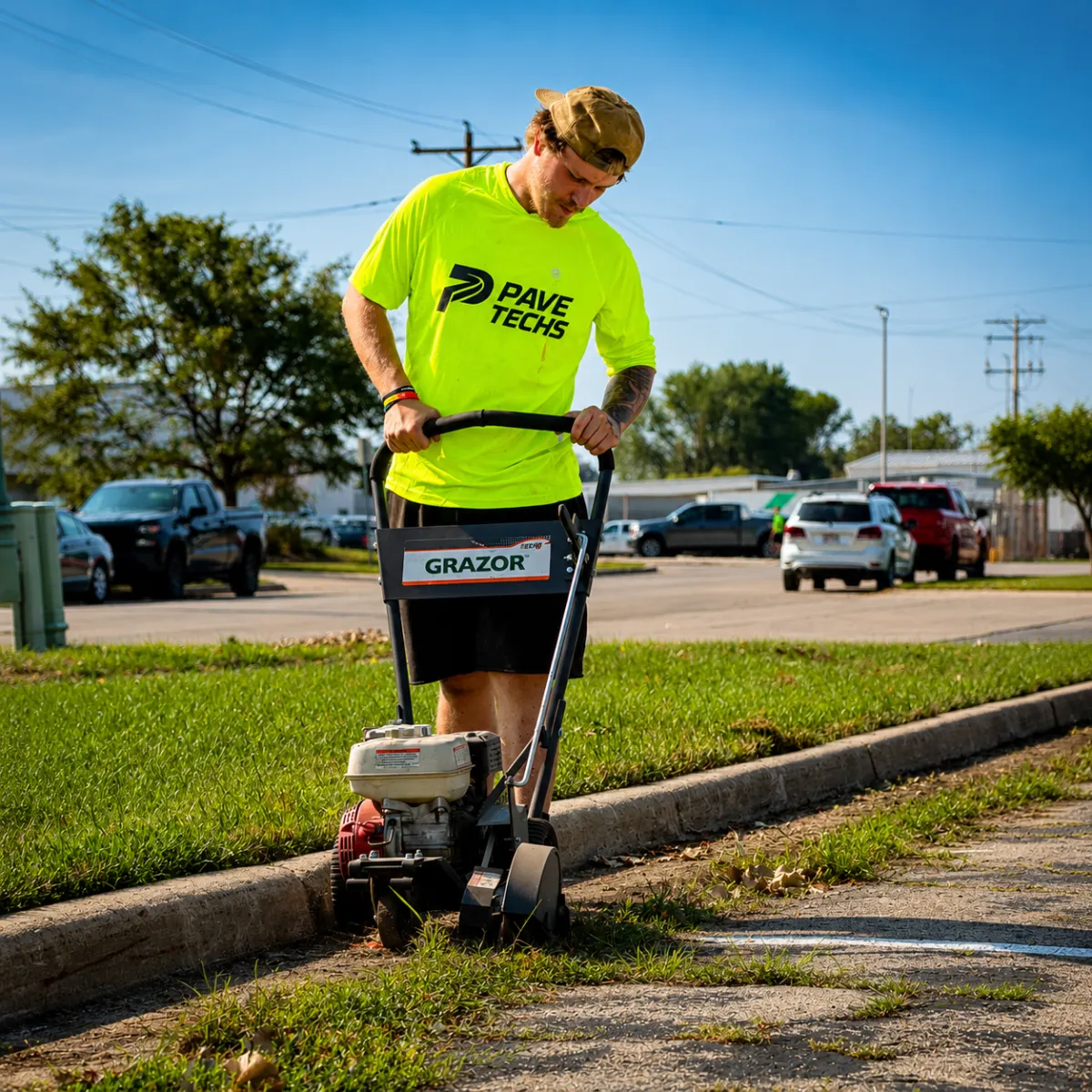
Detail Areas & Repair Coordination
We treat cracks around edges, joints, and previous repairs, and identify areas that may require patching, mastic repair, or another treatment instead of conventional crack sealing.
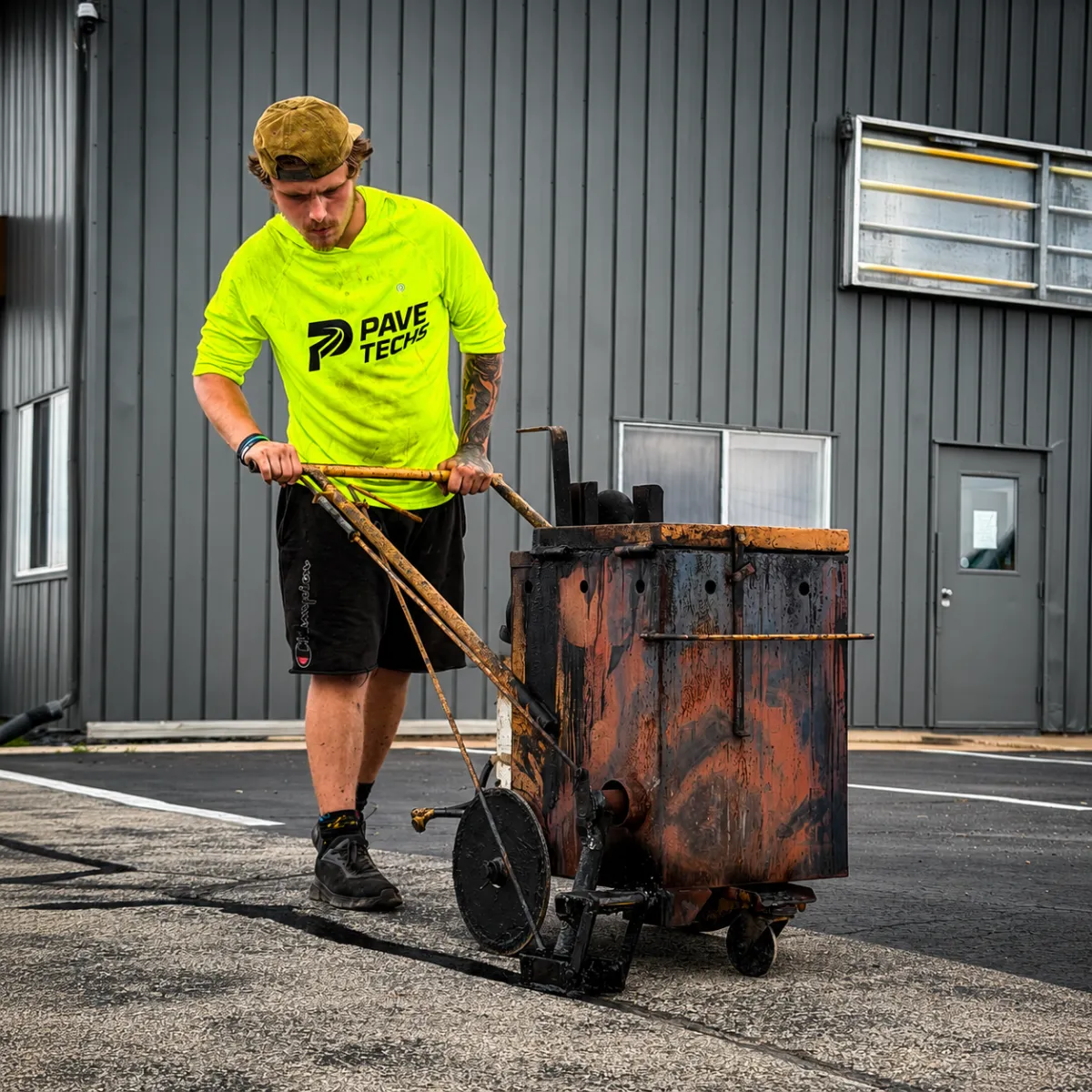
Hot-Applied Crack Treatment
We apply heated crack sealant using professional equipment to suitable cracks, including working cracks that open and close with seasonal pavement movement.
✦ When Crack Sealing Makes Sense
Signs Your Asphalt May Need Crack Sealing
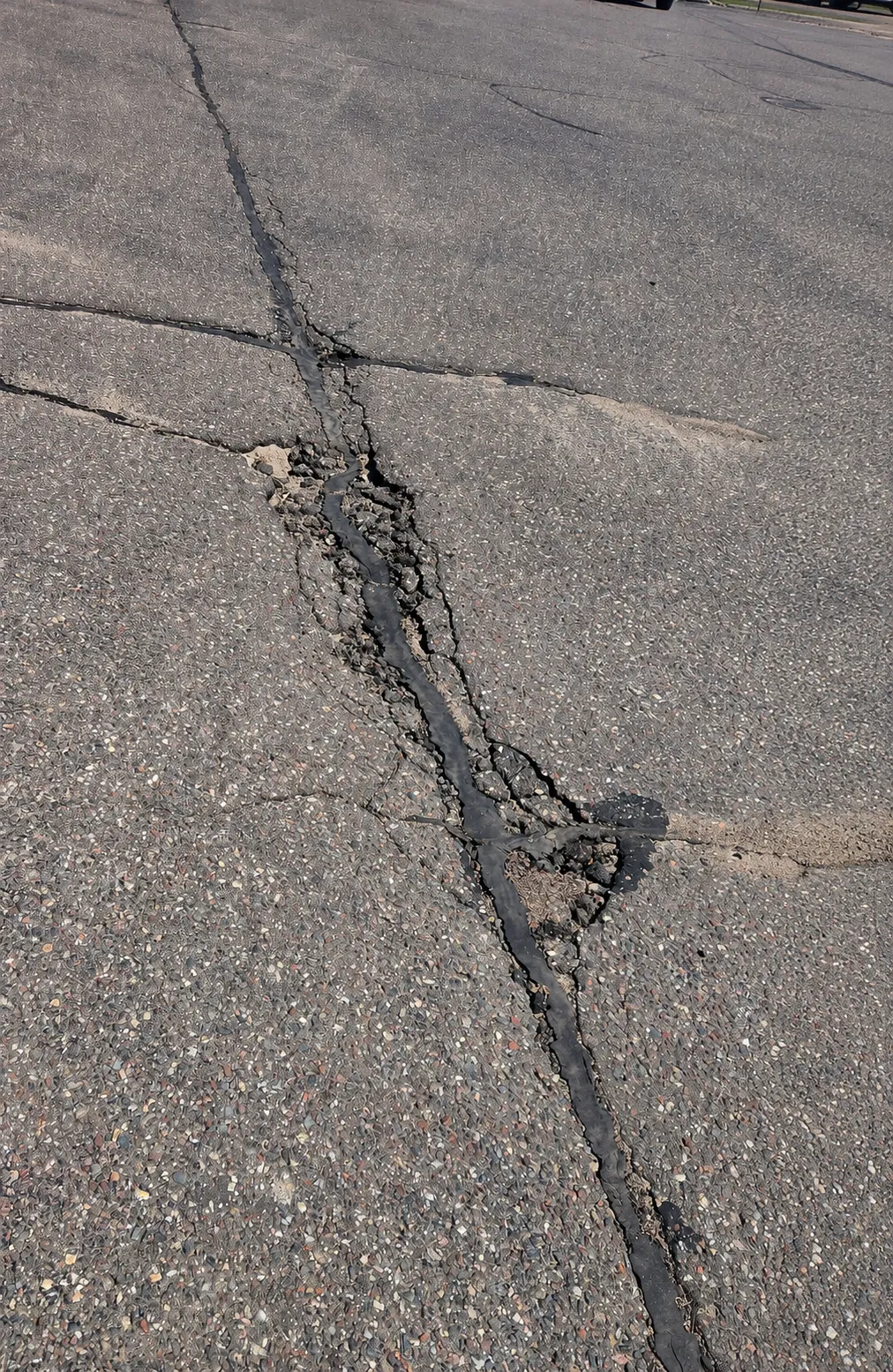
Crack sealing may be appropriate when pavement is still serviceable but has individual cracks that allow water and debris into the pavement.
Transverse pavement cracks
Longitudinal cracks
Cracks that open and close seasonally
Cracks beginning to widen
Water entering visible pavement cracks
Previously sealed cracks beginning to fail
Isolated cracking without widespread pavement failure
Pavement needing preventive crack treatment
✦ Our Process
How We Prepare and Seal Pavement Cracks

Evaluate
We identify crack type, width, movement, surrounding deterioration, and areas that may require a different repair method.

Prepare
We clean and prepare suitable cracks to remove debris and support proper sealant adhesion.

Seal
Our team applies the approved crack sealant using professional equipment and temperatures appropriate for the material.

Cure
We allow the treated areas to cool or cure as required before reopening them to normal traffic.
Frequently Asked Questions
What does asphalt crack sealing do?
Crack sealing helps limit water and debris from entering suitable pavement cracks and contributing to further deterioration.
What types of asphalt cracks can be sealed?
Many transverse and longitudinal cracks can be candidates for sealing. Suitability depends on crack size, movement, condition, and surrounding pavement.
Can crack sealing repair alligator cracking?
Usually not. Widespread interconnected or alligator cracking can indicate more significant pavement or base failure that may require repair or replacement.
Is crack sealing the same as crack filling?
Not exactly. Crack sealing generally uses flexible materials for cracks that experience movement, while crack filling is commonly used for cracks with less movement.
When is the best time to seal asphalt cracks?
Crack sealing should be performed under suitable pavement and weather conditions and when cracks can be properly cleaned, prepared, and treated.
Why are cracks cleaned before sealing?
Removing dirt, moisture, and debris helps the sealant bond properly to the pavement and improves the quality of the treatment.
Can crack sealing help prevent larger pavement repairs?
It can help slow deterioration by reducing water intrusion into suitable cracks, but it cannot correct existing structural or base failures.
✦ Seal Pavement Cracks Before Water Gets In
Ready to Protect Your Pavement?
Show us the cracking you are seeing and where it is occurring. We’ll identify whether sealing, mastic repair, patching, or another treatment fits the pavement condition.

Professional pavement maintenance, repair, preservation, sealcoating, crack sealing, mastic repair, infrared repair, and line striping throughout Wisconsin.
PaveTech Solutions, Inc.
Email: [email protected]
Phone: (920) 204-6975
1103 S Lynndale Dr Ste 104, Appleton, WI 54914

Quick links
Business hours
Monday–Friday: 7:00 AM–5:00 PM
Saturday–Sunday: Closed
© 2026 PaveTech Solutions, Inc. All rights reserved.